Selling advanced chips to China just got a whole lot pricier for Nvidia and AMD.
In what one analyst calls an “unprecedented” deal, the tech giants have agreed to hand over 15% of their China revenues.
This will go to the U.S. government. This is in exchange for export licenses.
Why the drama? Washington had banned sales of high-powered AI chips to China, citing national security concerns.
Security experts warned Nvidia’s H20 chip could supercharge China’s military AI.
Think autonomous weapons, advanced surveillance, and faster battlefield decision-making.
AMD’s MI308 chip faced similar scrutiny.
“Either you have a national security problem or you don’t,” said Deborah Elms of the Hinrich Foundation.
“A 15% payment doesn’t erase the risk.”
The chips were originally designed for the Chinese market after Biden-era restrictions in 2023, but Trump’s administration halted sales in April.
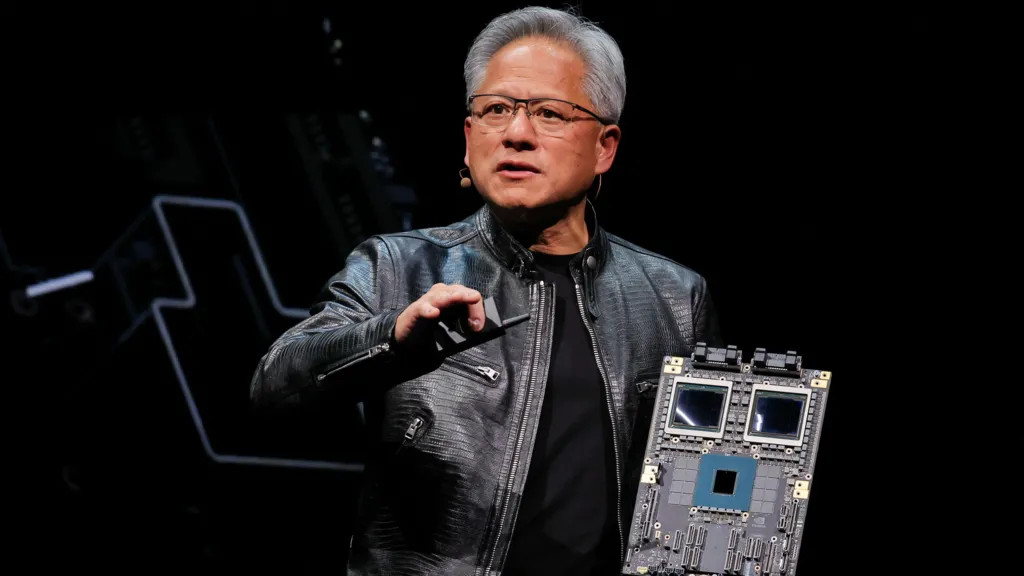
Nvidia CEO Jensen Huang has since lobbied both Washington and Beijing for a restart.
The agreement comes amid a fragile U.S.-China trade truce and ongoing tariff talks.
But it’s a costly compromise — one that underscores how market access in the world’s second-largest economy now comes with a hefty toll.
As one analyst put it: in the chip wars, the bill is high, the rules keep changing, and everyone’s still playing.
(责任编辑:{catelog type="name"/})